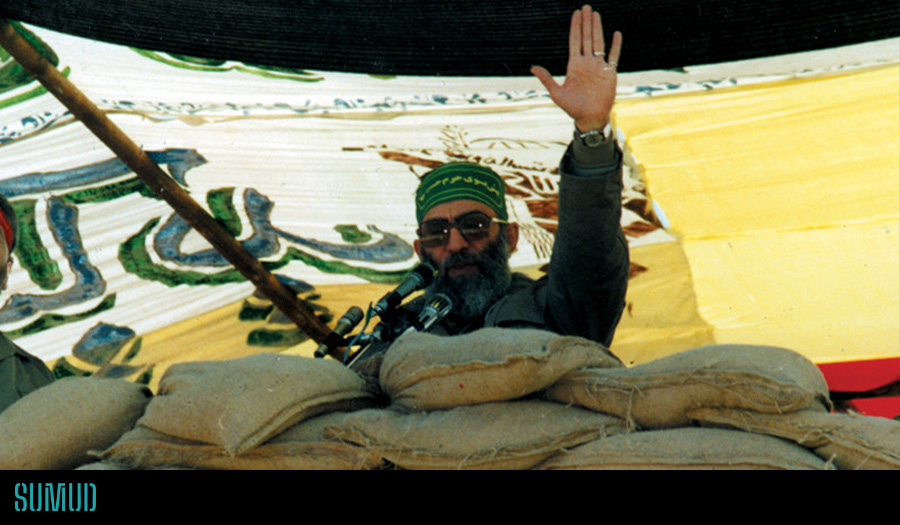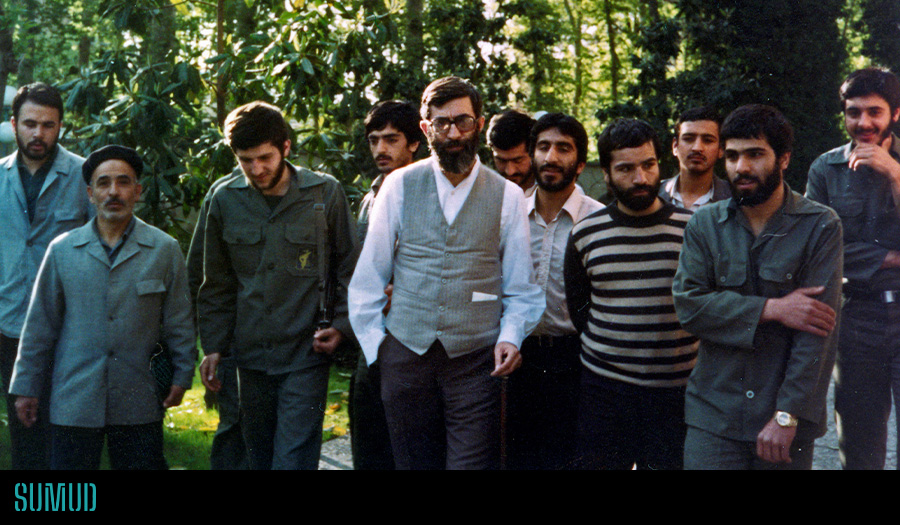
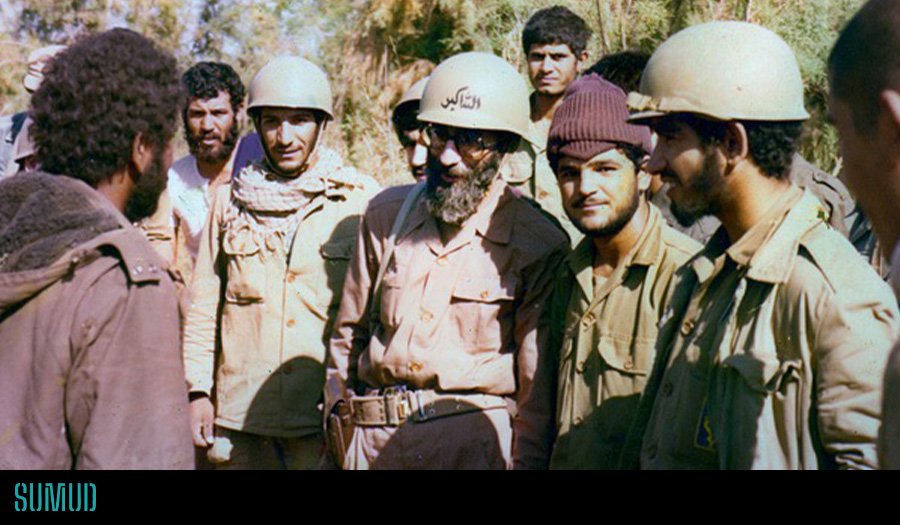
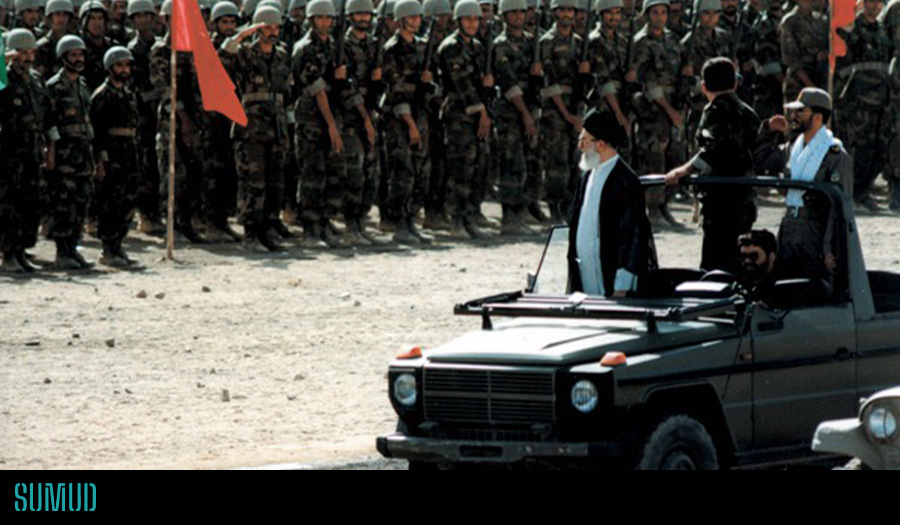
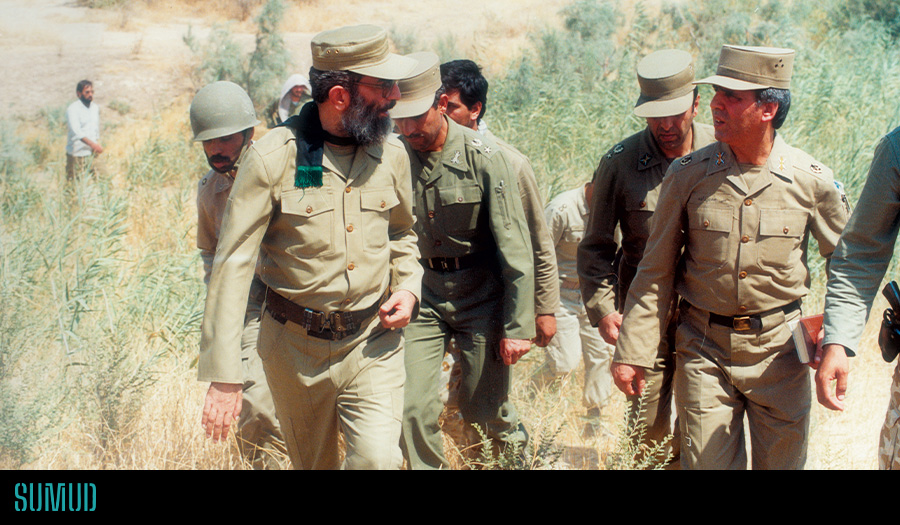
The phenomenon of the Basij is an innovative phenomenon. Not in the sense that popular resistance forces did not exist in other countries and elsewhere — no, we know they did. However, resistance forces in various countries around the world — in the West, the East, and so on — are usually related to periods of oppression, pressure, and struggles. After the struggle ends — whether these resistance groups themselves come to power or others come to power with their help — that resistance force disappears and this popular organization comes to an end. This is how it works in the world. Those familiar with popular resistance movements in Africa, Europe, Asia, and various countries know this. For example, during the French domination of Algeria, popular resistance groups formed and fought for years — perhaps about eight or ten years of intense fighting — and endured great hardships. But after the revolutionary government was formed, there was no trace of these groups anymore. Some of them reached power, some formed political parties, but nothing called a resistance group remained. Or, for example, in France during the German occupation, there were resistance groups — left, right, center — and they fought a great deal. But after the occupation ended and a government was formed, there was no trace of the groups anymore; they ended, they dispersed. As we have said, either they would come to power — and those who came to power would also fall victim to the afflictions of power. I have seen this with my own eyes in some countries. Those same people who had fought for years in difficult trenches, on the ground, to reach government, would later, during their rule, behave exactly the same way as, for example, a Portuguese commander who had ruled that country before them. Their behavior was just like his; there was no difference. The goal of the struggle was to reach power — I have observed this myself in several cases — and that is how it would happen. They would essentially transform their nature. Or alternatively, others would come to power, and these [resistance groups] would, for example, form political parties, like some of the parties that exist in those countries. The struggle of those parties was also a struggle for power. Today, Western political parties — and following them, parties all over the world — have reaching power as their goal. That is, one party struggles to take control of the government, and then another party struggles to take the government away from it. Today, political parties — what is called a party in the world — are not actually a platform for attending to the lofty concepts and teachings that the party believes in, unlike what we had in mind at the beginning of the revolution. That is not the case today. The goal is for a group to exist — like a club or an organization — that strives to reach power. And once they reach power, it is the same old story as the previous government. No difference. Thus, resistance groups would dissolve with victories, wash away, and end. That resistance groups should remain like a continuous current, like a flowing river, during the era of victory, becoming ever more dynamic, increasing in awareness, participating in an organized manner in various fields that the country needs, growing in quantity and quality, acquiring new concepts, playing a role in newly emerged battles — as our Basij does — this is unprecedented in the world. Such a thing has no precedent in the world.
(Date: 25 November 2015 / 1394/09/04)